
Compensation continues to play a central role in attracting and retaining effective church leadership. Senior Pastors, Executive Pastors, Worship Pastors, and Student Pastors have experienced measurable compensation changes in recent years.
This annual report from Vanderbloemen examines Pastor and church staff compensation trends, with attention to regional differences, congregation size, and budget limitations. These insights help church boards and leadership teams as they seek to create fair and competitive compensation plans for their staff.
Overview of Pastor & Church Staff Compensation
This Vanderbloemen report analyzes compensation data from churches across the United States, ranging from congregations under 500 attendees to churches serving up to 10,000 members. Recent years show steady compensation growth across most roles, with Senior Pastors experiencing the largest gains. At the same time, salary gaps tied to region and church size remain a challenge for churches seeking to hire and retain strong leadership.
Senior Pastors: Highest Compensation Gains
Senior Pastors continue to sit at the top of church compensation trends, with clear increases across a wide range of budgets and congregation sizes. From 2022 to 2024, Senior Pastors serving churches with budgets between $2.5M and $5M reported an average salary increase of 14%. This upward movement reflects stronger expectations placed on Senior Pastors and the expanded scope of leadership required in larger, more complex church environments.
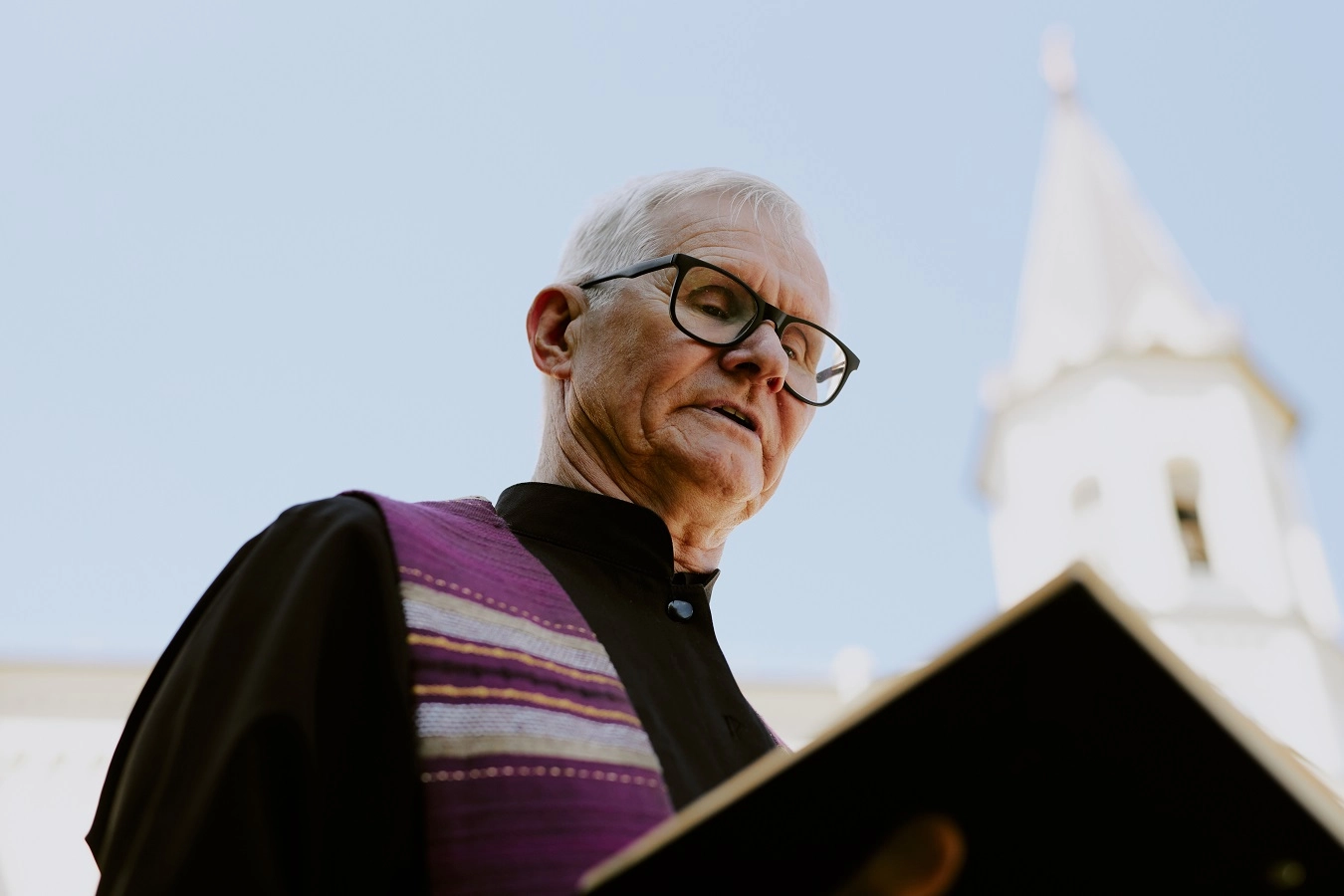
Data shows that Senior Pastors in large churches with 5,000 to 10,000 members earned average salaries exceeding $250,000 in 2024. Senior Pastors at churches with the largest operating budgets also earned substantial compensation, though their salary growth did not increase at the same rate. This pattern suggests that factors such as church profile, tenure, leadership reputation, and public visibility influence compensation beyond budget size alone.
Regional differences also play a significant role in Senior Pastor salaries. The West reported the highest average salary at $151,814, followed by the North at $144,094. The South and Midwest regions saw more modest averages at $132,535 and $119,120, respectively. These variations reflect local cost-of-living factors, as well as the competitive dynamics in different regions for attracting top leadership talent.
Executive Pastors: Emerging Compensation Trends
Executive Pastors (XPs) have experienced notable salary increases over the past few years, especially in churches with smaller budgets. Churches with operating budgets between $500,000 and $1M reported the largest percentage increases in XP salaries.
This upward trend highlights the growing recognition of the XP role in church leadership, as these individuals handle essential administrative and operational responsibilities, freeing Senior Pastors to focus on spiritual leadership and vision casting.
In 2024, Executive Pastors in the West region earned the highest average salary at $128,535, followed by the South at $119,858. Meanwhile, the North and Midwest regions reported salaries of $97,369 and $99,138, respectively.
Executive Pastors serving congregations of 1,000 to 5,000 members earned an average salary of $122,621. Compensation often plateaued or declined slightly in churches with attendance above 5,000. This shift likely reflects expanded leadership teams and the addition of specialized roles that distribute operational responsibility more evenly.
Plan Ahead for 2026 Compensation Strategy
Partner with Vanderbloemen to align pay, benefits, and expectations across your church leadership team — and stay on the lookout for our 2026 compensation insights coming later this year.
Get Started NowWorship Pastors: Growth Amidst Demand
Compensation for Worship Pastors has increased steadily, with the strongest growth appearing in larger churches. As churches place greater emphasis on worship quality and digital engagement, demand for experienced Worship Pastors continues to rise. Between 2022 and 2024, executive searches for Worship Pastors increased by 22%. This demand shows no signs of slowing as worship remains central to both in-person services and online ministry.
In 2024, Worship Pastors in the West earned the highest average salary at $83,617, followed by the Midwest at $79,263. The South and North regions saw lower salaries, with averages of $75,955 and $65,400, respectively. This disparity in compensation highlights the economic and cultural differences across regions.
Interestingly, while larger congregations tend to pay higher salaries, the data reveals a point of saturation for Worship Pastors. Beyond a certain congregation size, the increase in salary levels begins to plateau. This is likely due to churches adding additional staff within the worship department to balance workloads, which can result in a more equitable salary structure across multiple team members.
Student Pastors: The Struggle for Adequate Compensation
Student Pastors remain among the lowest-compensated roles in church leadership. Despite their influence on long-term church health, salary growth for this role has been limited. Churches operating with budgets below $500,000 often rely on part-time or volunteer Student Pastors due to financial constraints. This reality has reduced the pool of qualified candidates, as compensation often fails to match education and experience requirements.
In 2024, the Midwest region offered the highest compensation for Student Pastors, with an average salary of $64,709. The South and West regions followed with averages of $60,192 and $61,849, respectively. The North region reported the lowest average salary for Student Pastors at $56,776.

Churches are increasingly supplementing pay with expanded benefits. Approximately 81% of Student Pastors received health insurance contributions, and nearly 43% were offered sabbaticals. Even with these benefits, compensation remains a primary barrier to recruiting and retaining Student Pastors.
The Impact of Education and Experience on Compensation
Education and experience continue to influence compensation across church leadership roles. Senior Pastors, in particular, benefit from advanced education and tenure, with 71% holding a Master’s degree or higher and 52% reporting more than 20 years of experience. Executive Pastors show similar patterns, with 57% holding a Bachelor’s degree and 63% bringing 20 or more years of experience.
At the same time, hands-on leadership experience plays a growing role in compensation decisions. This is especially true for Executive Pastors, where operational judgment and organizational leadership often outweigh formal credentials. Churches increasingly value proven performance alongside academic background.
Final Thoughts on Church Leadership Compensation
As churches navigate shifting priorities and new growth pressures, leadership compensation remains essential for attracting and retaining qualified staff. Senior Pastors and Executive Pastors have benefited from meaningful salary growth, while Student Pastors continue to face financial strain, especially in smaller churches.
Compensation is also shaped by regional cost differences, education levels, and years of experience. To build healthy and durable leadership teams, churches must design compensation packages that balance salary, benefits, and long-term support so leaders can serve their mission with clarity and stability.
Ready to enhance your compensation plan? Contact Vanderbloemen today for expert advice on attracting and retaining top church leadership talent.